
The NVIDIA RTX PRO 6000 Blackwell is now live on Spark.
96GB of VRAM per card. Roughly 3x what an RTX 5090 gives you. Same Blackwell generation, professional-tier drivers, ECC memory, and 24,064 CUDA cores.
It is one of the most powerful NVIDIA GPUs ever made, now available on demand within minutes for a few dollars an hour on Windows 11, Rocky Linux 9, and Ubuntu 24.
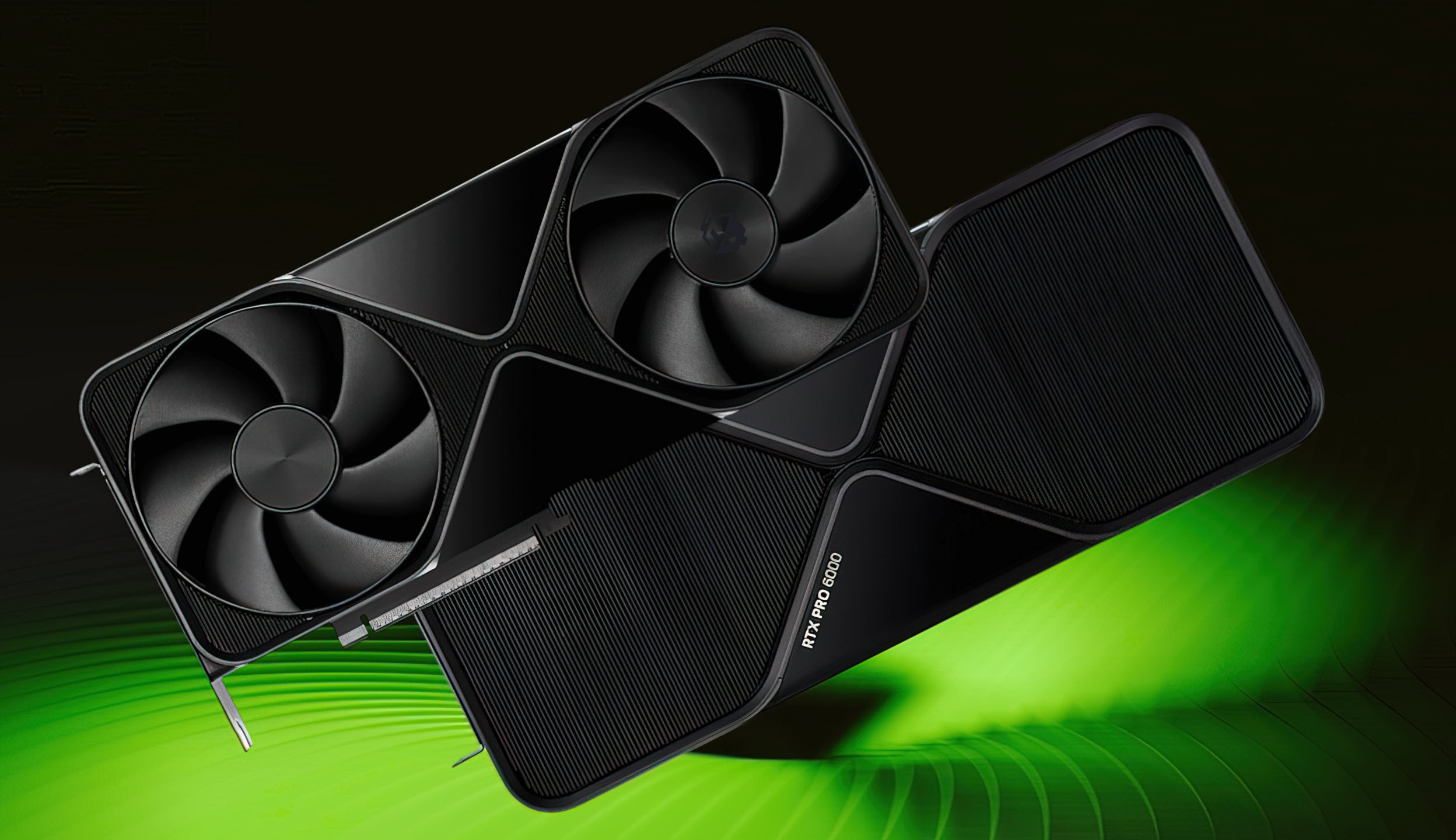
It is also available on SmartCompute render farm nodes for around a dollar an hour.
This is for the scene that refuses to load. The training run that keeps running out of memory. The heavy UE5 environment that needs 60fps when your current machine can barely touch it. The render that is going to take a week unless you find another way.
It was probably a VRAM problem all along
Here is the thing most people do not realise: when After Effects grinds to a halt on a heavy comp, when your UE5 scene crashes with no useful error, when everything slows down and you start closing apps and restarting and hoping for the best, that is often a VRAM problem.
You are hitting the ceiling of your hardware, but nothing always tells you that is what is happening.
You just feel it.
The work stalls, things crash, and you keep trying, hoping it will make it through.
Sometimes the answer is not a cleaner scene, a smaller cache, or another round of compromises. Sometimes the machine simply needs more room.
What is actually inside one of these
The spec sheet is insanely powerful, and for once it lives up to the hype.
Built on NVIDIA’s Blackwell architecture, a single RTX PRO 6000 Blackwell carries:
- 96GB of GDDR7 memory with ECC, on a 512-bit bus moving about 1.6 TB/s of bandwidth
- 24,064 CUDA cores, 5th-generation Tensor Cores, and 188 4th-generation RT Cores
- 120 TFLOPS of FP32, up to 355 TFLOPS of ray tracing, and up to 4 PFLOPS of FP4 compute for AI work
- Four encode and four decode engines (9th-gen NVENC, 6th-gen NVDEC)
What that means in a real day of work: the 4th-generation RT Cores roughly double ray-tracing throughput over the last generation, and RTX Mega Geometry pushes up to 100x more ray-traced triangles, so heavily detailed path-traced scenes resolve faster instead of buckling. The 5th-generation Tensor Cores bring FP4 and DLSS 4 into the picture, which is exactly where AI-driven rendering, neural shaders, and generative workflows come alive. And those four-plus-four video engines mean editorial and transcode-heavy work flies too, not just the 3D side.
This is a massively powerful GPU. It is sitting one click away.
No $8K GPU, no six-week wait
No $8,000-plus card to buy. No six-week shipping wait. No hardware refresh cycle pouring money into something that may be outpaced sooner than anyone would like.
Spin one up in minutes, scale with the work in front of you, and shut it down when you are done.
Pay-as-you-go. No subscriptions, no tiers, no commitments.
The RTX PRO 6000 Blackwell is available on Spark in 1x, 2x, 4x, and 8x configurations, up to a staggering 768GB of VRAM on a single workstation.
For the jobs that have been sitting just beyond the edge of your current machine, that changes the conversation.